Smart Tips for Stress-Free Roof Replacement in Succasunna, NJ
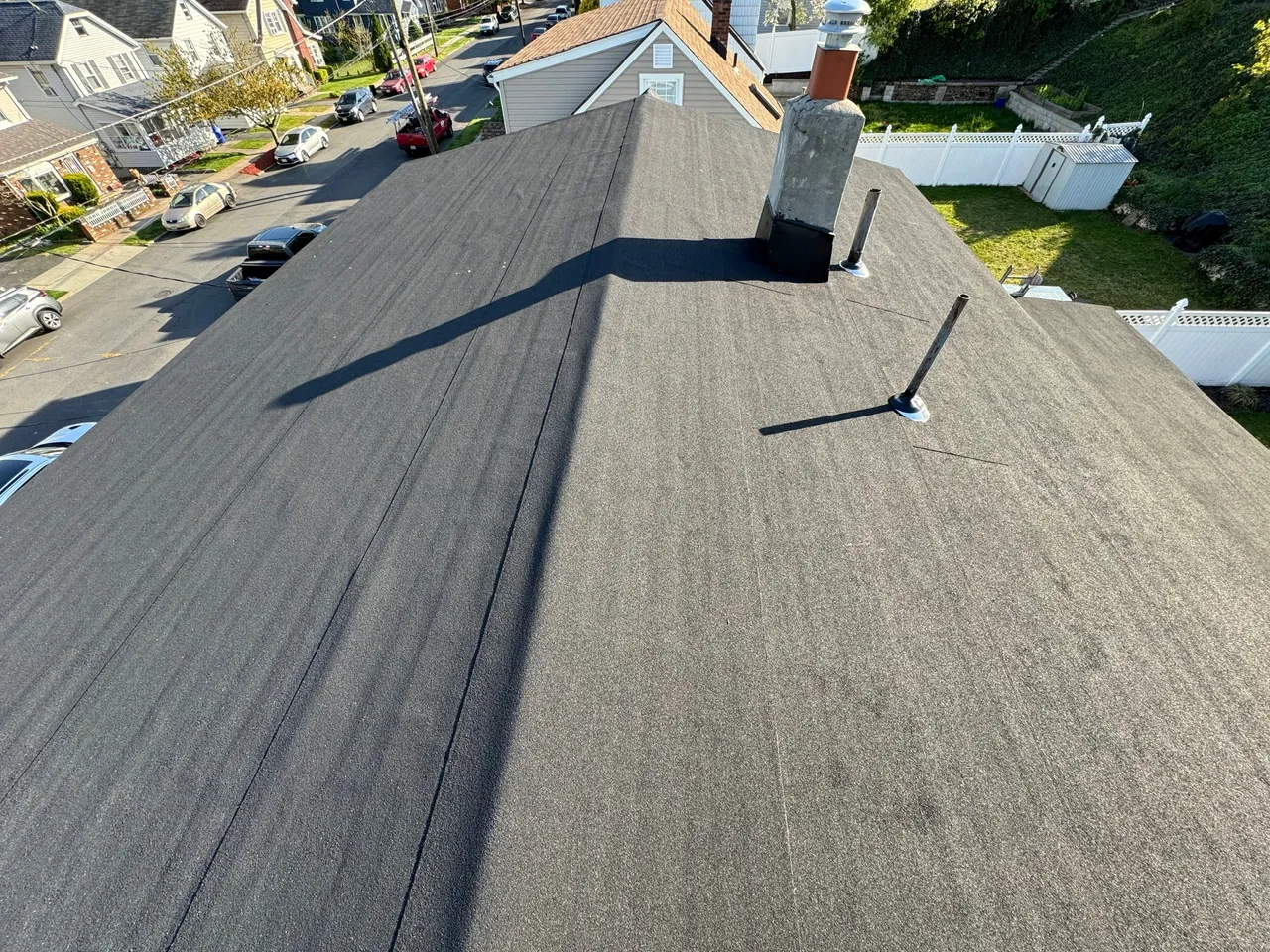
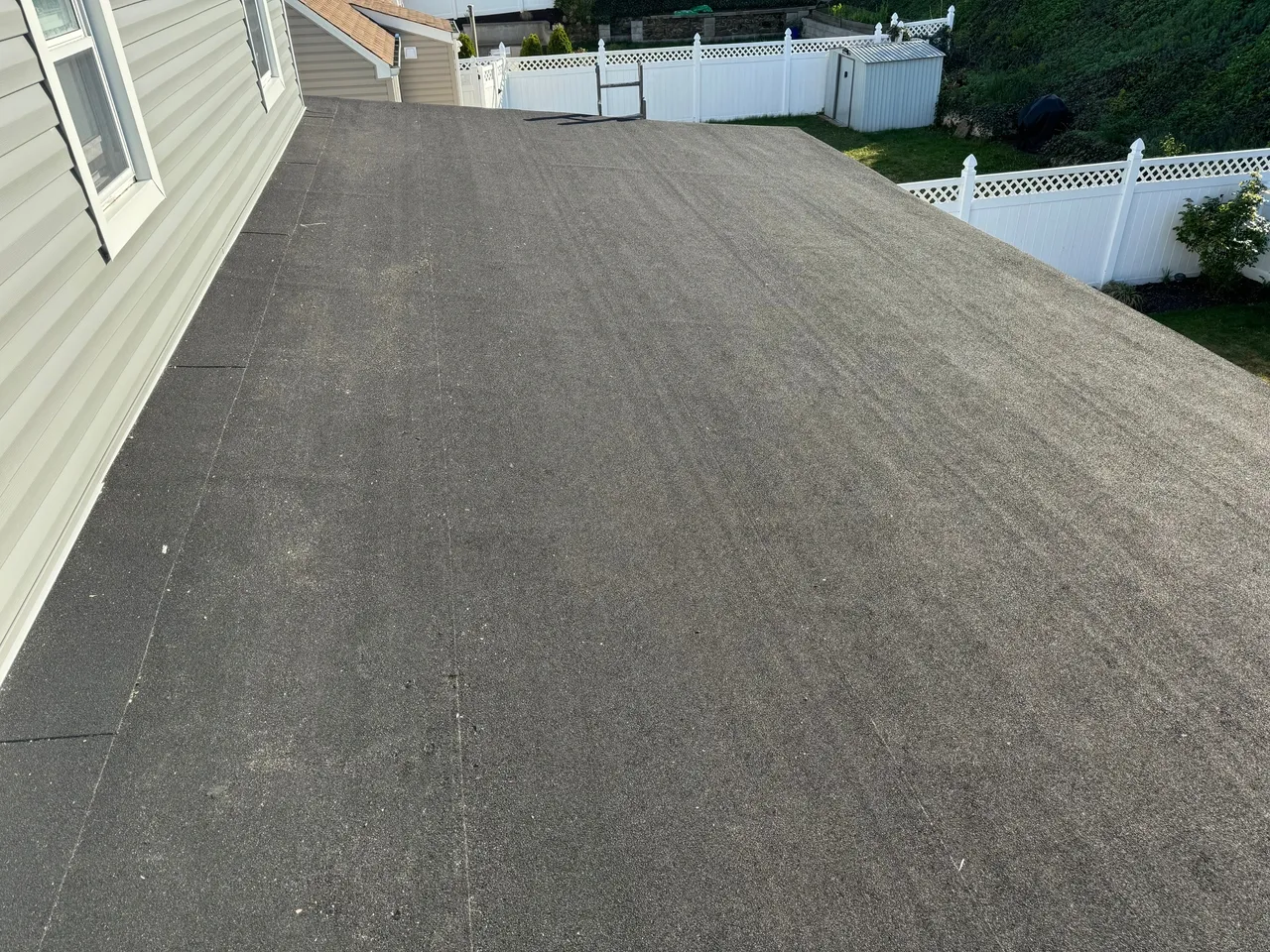
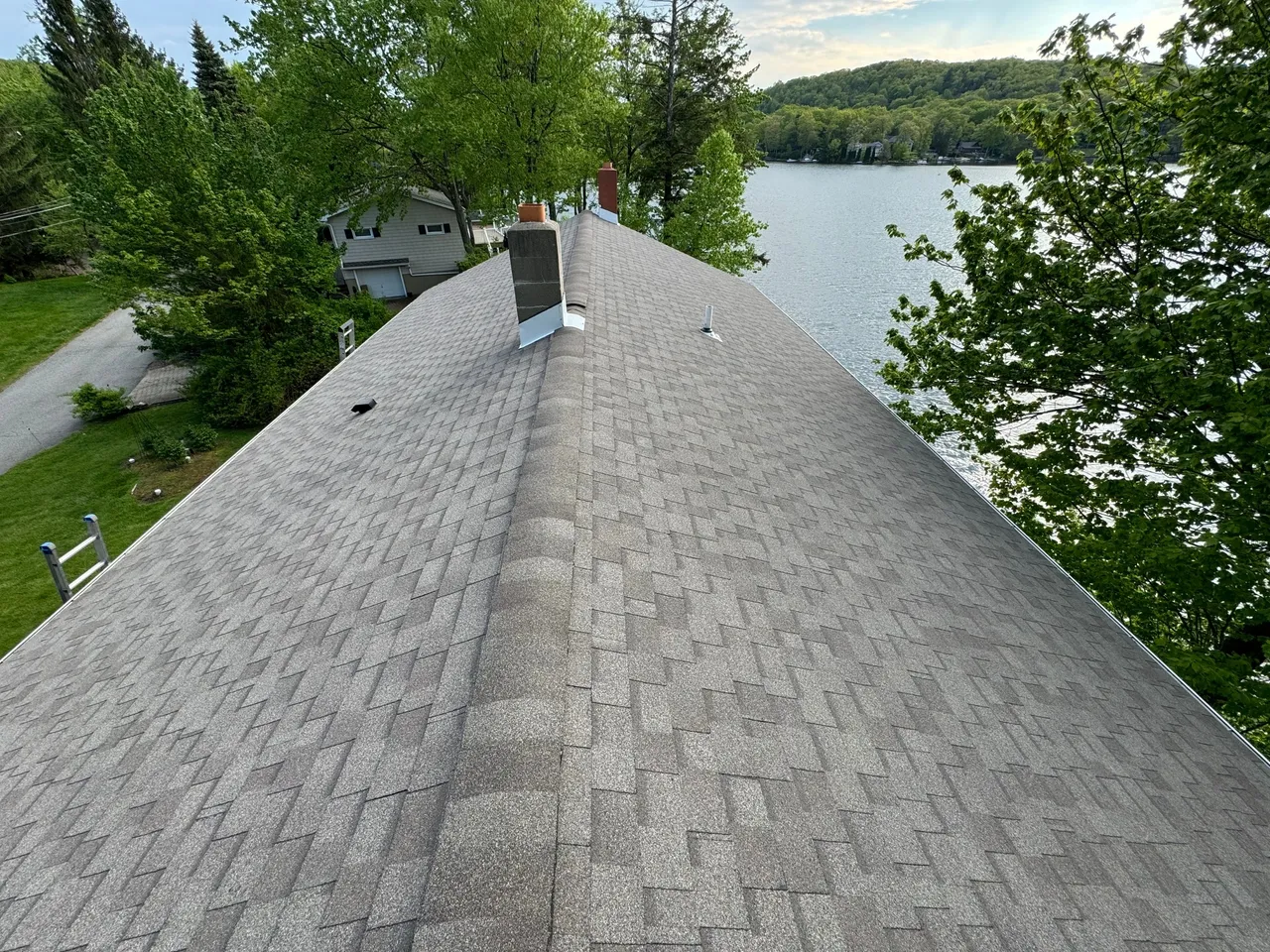
A roof replacement is one of those home projects that feels heavy before it even starts. The cost is significant, the timing matters, and once the tear-off begins, there is no pausing halfway through because you changed your mind about shingle color. In a place like Succasunna, where homes see hot summer sun, driving rain, winter snow, and the freeze-thaw cycles that work their way into every vulnerable seam, replacing a roof calls for more than picking the lowest bid and hoping for the best.
Homeowners usually feel stress for the same reasons. They are trying to judge contractors without being roofers themselves. They want to avoid leaks, surprise charges, and long project delays. They are also trying to make decisions quickly because a roof problem rarely appears at a convenient time. The good news is that a smooth project usually comes down to a handful of practical choices made early. When those choices are thoughtful, the rest of the job tends to follow.
Why roof replacement in Succasunna needs a local mindset
Not every roof is dealing with the same conditions, and that matters. Roof Replacement Succasunna, NJ projects should be approached with an understanding of North Jersey weather patterns, local housing styles, and municipal expectations. A roofing system that performs well in a mild climate may not hold up the same way when it has to shed snow, resist ice dam formation, and handle rapid temperature swings.
Succasunna homes also vary more than people sometimes expect. Some neighborhoods have older colonials and ranch homes with layers of repairs behind them. Others have newer builds where ventilation issues or builder-grade materials become obvious after a decade or two. The age of the house, the roof pitch, tree coverage, attic airflow, and existing decking condition all shape the right replacement plan.
I have seen homeowners focus almost entirely on the visible shingle sample in the contractor’s hand, when the more important questions were hidden underneath. What shape is the decking in? Is the attic trapping moisture? Are the flashing details around chimneys and wall intersections being rebuilt properly, or simply patched? Those are the decisions that separate a roof that looks good on day one from one that still performs well after a tough winter.
Know when replacement makes more sense than another repair
Some roofs clearly need full replacement. Others sit in the gray area where homeowners hope one more repair will buy a few more years. That can work sometimes, but not always, and it is worth being honest about the difference.
If a roof has isolated storm damage and the rest of the system is in good condition, repair can be the sensible move. But if leaks keep reappearing in different places, shingles are curling or losing granules broadly, and the roof is already near the end of its expected life, repairs often become an expensive stall tactic. Spending a few hundred dollars here and a thousand there adds up fast, especially when the underlying failure is widespread.
One common example is the home where a ceiling stain appears after heavy rain. A repair crew patches one area, and the stain disappears for a while. Six months later another leak shows up near a bathroom vent or chimney chase. The owner feels unlucky, but often the issue is not bad luck at all. It is an aging roof system failing in stages. At that point, putting money into repeated service calls rarely lowers stress. It usually extends it.
Here are a few signs that a full replacement is probably the wiser choice:
- The roof is approaching or past the typical service life of its material.
- Leaks are recurring in multiple areas, not one isolated spot.
- Shingle damage is widespread, including curling, cracking, or heavy granule loss.
- The roof deck feels soft in places or shows signs of rot from long-term moisture.
- A contractor cannot match existing materials well enough for a durable repair.
That last point matters more than many homeowners realize. On older roofs, especially those with discontinued products or faded shingles, a repair may technically be possible but visually awkward and structurally limited. A patch is only helpful if it ties into the existing roof in a way that remains weather-tight.
Start with the scope, not the shingle color
People naturally gravitate to visible choices. It is easier to compare charcoal gray versus weathered wood than to compare synthetic underlayment specifications or intake ventilation ratios. Still, the hidden parts of the project deserve the first conversation.
A reliable estimate should spell out what is being removed, what is being installed, and how the contractor will handle problem areas if they discover them. The scope should address tear-off, decking replacement terms, underlayment, ice and water protection, flashing replacement, ventilation improvements, ridge cap details, cleanup, and disposal. If any of those items are vague, the homeowner is left exposed to confusion later.
That does not mean every estimate needs to read like a legal textbook. It does mean the homeowner should be able to answer basic questions with confidence. Will the old roof be completely removed or roofed over? How is rotted wood priced if found? Are pipe boots and step flashing being replaced, or just reused? Is ventilation part of the bid or an optional add-on? Clear answers reduce almost every form of job-site tension.
I once walked through a bid comparison with a homeowner who was sure one proposal was thousands cheaper for the same job. It was not the same job. The lower estimate skipped several line items that the higher estimate included by default, including new chimney flashing and better underlayment in vulnerable areas. On paper, the cheap number looked attractive. In practice, it left out exactly the components that often create callbacks and leaks.
The contractor you choose will shape your stress level more than the product brand
A good material installed poorly fails early. A solid crew with disciplined installation practices can make a midrange roof system perform far better than homeowners expect. That is why contractor selection deserves more attention than the brochure.
Local experience matters. A contractor familiar with Roof Replacement Succasunna, NJ work will have a better feel for common roof designs in the area, likely trouble points, and weather timing. They should also understand permit expectations if applicable and know how to plan around seasonal conditions. Roofing in North Jersey does not always allow perfect scheduling. Crews have to know how to protect exposed areas if weather shifts.
Professionalism often shows up in small ways before the contract is signed. Does the estimator inspect the attic or just glance from the driveway? Do they photograph problem areas and explain them clearly? Do they answer questions directly or rely on vague reassurances? Homeowners do not need a polished sales performance. They need clarity, patience, and evidence that the company handles details well.
References help when you ask specific questions. Instead of simply asking whether the customer was happy, ask whether the crew showed up as promised, how clean the property was kept, whether change orders were handled fairly, and whether any issues came up after completion. Most roofing jobs go fine when the weather cooperates. The real measure of a contractor is how they handle surprises.
Price matters, but cheap bids usually come with a hidden bill
Every homeowner has a budget. There is nothing wrong with that. Roofing should be a measured investment, not a blank check. But the lowest number is often low for a reason, and sometimes the reason does not reveal itself until the old roof is off.
A very cheap bid may rely on reused flashing, lighter materials, smaller crews, weak cleanup, or unrealistic assumptions about deck condition. Sometimes it is based on underbidding first and recovering margin later through change orders. That pattern creates stress fast because the homeowner feels trapped once the roof is open.
A fair estimate usually reflects labor quality, material handling, insurance, disposal costs, and enough margin for the contractor to do the job correctly without cutting corners. If three bids cluster within a reasonable range and one comes in dramatically below the others, that difference deserves scrutiny, not celebration.
It also helps to understand where upgrades actually matter. In many cases, spending more for proper ventilation and flashing work delivers better long-term value than jumping to a premium shingle line while ignoring the roof’s weak points. Homeowners often ask about impact resistance, algae resistance, and longer warranties, all of which can have value, but those features should not distract from fundamentals.
Timing your project can save headaches
Roof replacement is easier when it is planned rather than forced. In reality, many projects happen because a leak, storm, or home sale deadline makes waiting impossible. Still, timing is worth considering if you have some flexibility.
Late spring through fall is often busy for roofing companies in New Jersey. That can mean longer lead times, especially after severe weather. Winter replacements are possible, but cold conditions can affect product handling and scheduling. A skilled contractor can still manage the job, though homeowners should expect weather delays and ask how exposed areas will be protected if conditions turn.
If your roof is aging but not yet leaking, replacing it before peak deterioration usually gives you better options. You can compare bids carefully, schedule at a less frantic pace, and avoid emergency pricing pressure. You also reduce the chance that hidden moisture damage spreads into insulation, framing, drywall, or interior finishes. A roof issue almost never gets cheaper by waiting for water to prove the point.
Prepare the house before the crew arrives
A roof replacement is controlled chaos. It is temporary, but it is noisy, messy, and more disruptive than many people expect. Small preparations make the job noticeably easier.
A few practical steps help:
- Move vehicles out of the driveway and away from the garage before the crew arrives.
- Take fragile wall hangings or attic-stored items down if vibration could shake them loose.
- Protect valuables in the attic with plastic or old sheets in case dust falls during tear-off.
- Keep pets and small children away from the work zone for the day.
- Let close neighbors know when the project is scheduled to start.
That last step is simple courtesy, but it matters. Roofing crews start early, and the sound of tear-off is not subtle. A quick heads-up prevents unnecessary friction with neighbors, especially in tighter subdivisions.
Inside the house, expect pounding and vibration. It can be startling if you work from home. If you have calls, meetings, or a baby who naps lightly, consider making alternate plans for the noisiest window of the day. Homeowners sometimes underestimate that part and then feel blindsided by a normal roofing sound level.
Ask how the contractor handles wood replacement and flashing
These are two of the biggest stress points on replacement day because they involve conditions that are not always fully visible in advance.
Decking problems are common around old leaks, poorly vented sections, and roof penetrations. Some wood replacement is routine. What causes frustration is when the homeowner does not know how it is priced or approved. A good contractor explains the unit cost beforehand and communicates clearly if damaged sections are discovered. Surprises are easier to absorb when the rules were laid out before the first shingle came off.
Flashing deserves equal attention. A roof can have excellent shingles and still leak because of weak flashing at chimneys, skylights, dormers, sidewalls, and plumbing penetrations. This is one area where experienced installers stand apart. They do not treat flashing as an afterthought. They build these transitions carefully because they know water almost always finds the shortcut.
If your home has a chimney, ask whether the bid includes full step and counter flashing replacement, and whether any masonry issues need separate attention. Roofers can make proper flashing connections, but they cannot solve a failing chimney crown or cracked brick with shingles alone. Understanding that trade-off avoids misplaced expectations.
Ventilation is not glamorous, but it is often the difference-maker
Homeowners rarely get excited about intake vents or ridge vents, yet poor attic ventilation shortens roof life, increases heat buildup, and can contribute to moisture problems. In cold climates, it can also worsen ice dam conditions by allowing warm air to overheat the roof deck unevenly.
A replacement project is often the right time to correct an old ventilation imbalance. Some houses have exhaust but not enough intake. Others have vents installed in ways that do not work together well. The right solution depends on the attic design, insulation conditions, and roof configuration, so there is no universal formula. What matters is that the contractor looks at the whole system rather than simply swapping shingles and leaving the underlying problem untouched.
This is one of those decisions that pays back quietly. You may not notice better ventilation the same way you notice a new roof color, but it can improve durability, reduce summer attic heat, and lower the chance of premature shingle wear. Roof Replacement Succasunna, NJ Quiet value is still value.
Understand warranties without overestimating them
Warranties are useful, but many homeowners hear the longest number and assume they are fully protected from anything that goes wrong. Roofing warranties are more limited than marketing language sometimes suggests.
Manufacturer warranties generally cover material defects under specific conditions. Workmanship warranties come from the contractor and cover installation errors for a stated period. Both matter, but neither replaces careful contractor selection or a well-documented scope of work.
A practical way to think about warranties is this: they are backup protection, not the main reason to buy. A roof installed correctly with solid materials and proper flashing is far less likely to need warranty intervention in the first place. It is better to prevent a problem than argue Roof Replacement Succasunna, NJ about coverage after a leak.
Ask for straightforward explanations. What is covered, for how long, and under what circumstances? Are there registration requirements? Is enhanced coverage available only if a full roofing system from one manufacturer is installed? Those details are worth understanding before the contract is signed, not after.
Watch for communication habits, because they predict the whole job
The smoothest roof replacements are not always the ones with zero complications. They are the ones where communication stays strong when complications arise.
A contractor who confirms schedule updates, explains weather delays, documents hidden damage with photos, and provides a clear payment process removes a huge amount of uncertainty from the homeowner’s side. That calm, steady communication is often what people remember most about a good roofing experience.
By contrast, poor communication turns manageable issues into stressful ones. If the crew is late and nobody calls, trust drops. If extra charges appear without explanation, frustration spikes. If the project manager disappears once the first deposit clears, every small question starts feeling larger than it should.
Before you hire, pay attention to the pattern already forming. Are callbacks prompt? Are emails answered? Are details written down? Most companies do not suddenly become more organized after the contract. Their pre-sale behavior is usually a preview of the project itself.
A clean finish matters more than homeowners expect
When the roof is complete, most owners look up first, and understandably so. The shingles look sharp, the ridge line is crisp, and the house feels refreshed. Then the eye drops to the lawn, driveway, flower beds, and gutters. Cleanup is where the project either feels finished or not.
A disciplined crew protects landscaping, manages tear-off debris, sweeps for nails, and leaves the property looking cared for. This is not cosmetic fussiness. Nails in the driveway, scraps in shrubs, and clogged gutters are signs that the contractor’s standards may have been loose elsewhere too.
Walk the property before making final payment if that is part of your agreement. Look at siding and trim around roof lines, check that gutters are clear, and make sure magnet cleanup was thorough. Ask for leftover material information, warranty documentation, and a final explanation of any maintenance recommendations. The best jobs close with clarity, not loose ends.
Peace of mind comes from preparation, not luck
A roof replacement will never feel like a casual errand, but it does not have to become a drawn-out ordeal either. Most of the stress homeowners experience comes from uncertainty, not the roofing work itself. Once you understand the scope, choose a contractor with proven discipline, ask good questions about ventilation and flashing, and prepare the house for installation day, the project becomes far more manageable.
That is especially true with Roof Replacement Succasunna, NJ homes, where weather demands a roof system built for real seasonal pressure. The smartest path is rarely the fastest sales pitch or the cheapest estimate. It is the measured decision that balances durability, workmanship, communication, and timing.
When those pieces are in place, the new roof does what it should. It stops being a source of worry and goes back to being what a roof is meant to be: strong, quiet protection overhead, season after season.
Royalty Exteriors
151 NJ-10 Suite 103A, Succasunna, NJ 07876, United States
+1 973-333-7234
FAQ About Roof Replacement Succasunna, NJ
What are signs a roof needs replacing?
Widespread shingle deterioration, repeated leaks, or damaged decking can point to a larger problem. A roofer can inspect the roof covering, flashing, and deck to determine whether the damage is localized or whether replacement makes more sense.
How long does it take to reroof a 2000 square foot house?
Royalty Exteriors estimates one to three days for many single-family roof replacements. A house’s floor area does not tell you the actual roof area. Pitch, roof features, weather, and any decking repairs can change the schedule.
How long should a roof last in NJ?
There is no single lifespan for every roof. Material, installation quality, attic ventilation, maintenance, and exposure to storms all affect how long a roof remains serviceable. An inspection can help you assess its condition and plan for replacement.